Lodges and resorts are in the business of creating memorable guest experiences, but every amenity, activity, and overnight stay introduces risk. From a hunting lodge deep in the Tennessee hills to a luxury mountain resort overlooking the Smokies, your operation faces a combination of property, liability, and hospitality exposures that standard commercial policies are not built to handle.
The John Bailey Company specializes in insurance for hospitality and outdoor recreation businesses. Since 1946, we have been a family-owned agency based in Knoxville, Tennessee, and we currently insure hospitality and recreation operations in 20+ states. Whether your lodge is a rustic fishing retreat or a full-service resort with dining, spa services, and guided excursions, we know how to build the right coverage around your operation.
Lodge and Resort Operations We Insure:
- Hunting lodges and outfitter lodges
- Fishing lodges and fly fishing retreats
- Mountain lodges and cabin resort properties
- Cabin rental management companies
- Destination resorts and boutique resort hotels
- Wellness and spa retreats
- Event and wedding venues with lodging
- Eco-lodges and nature retreats
- Corporate retreat and conference centers
- Seasonal and year-round operations
- Owner-occupied properties and manager-operated lodges
Why Standard Insurance Won’t Protect Your Lodge or Resort
A standard commercial policy or homeowners policy is not designed for the complexity of a hospitality operation. The moment you accept paying overnight guests, serve food and beverages, offer recreational activities, or employ staff to run your property, you need insurance specifically built for lodging and resort businesses.
Lodges and resorts face a wide range of risks: guest injuries during on-site activities, foodborne illness from your kitchen, alcohol-related incidents, property damage from fire or severe weather, loss of income during seasonal closures, and liability claims from events held at your venue. Many lodge properties also have high replacement values due to remote locations, custom construction, and specialized amenities. A comprehensive hospitality insurance package is essential to protect your investment and your livelihood.
What Does Lodge and Resort Insurance Cover?
A comprehensive lodge and resort insurance policy from the John Bailey Company can be customized to include the following coverages:
Standard Insurance Options Available:
- General Liability: Covers guest injuries, third-party property damage, and personal injury claims arising from your lodge operations, including slips, falls, and recreational activity incidents
- Commercial Property Insurance: Protects your main lodge, cabins, guest rooms, dining facilities, common areas, furnishings, appliances, and outdoor structures from fire, weather, theft, and vandalism
- Business Interruption / Loss of Income: Replaces lost revenue and covers ongoing expenses like mortgage, utilities, payroll, and seasonal operating costs if a covered event forces you to close
- Food Service Liability: Covers claims arising from foodborne illness, allergic reactions, or food safety incidents in your dining operations
- Workers’ Compensation: Required in most states; covers medical costs and lost wages for work-related injuries to your housekeeping, kitchen, maintenance, guide, and front desk staff
- Umbrella / Excess Liability: Provides additional liability coverage beyond primary policy limits, recommended for high-value resort operations
Special Coverages Offered:
- Liquor Liability: Essential if you serve, sell, or allow guests to consume alcohol at your lodge, bar, restaurant, or events
- Recreational Activity Coverage: Covers guided fishing, hunting, hiking, boating, horseback riding, ATV tours, and other activities offered to guests. Each activity must be specifically listed on your policy
- Watercraft Liability: Covers boats, canoes, kayaks, and other watercraft provided for guest use
- Equipment Breakdown: Covers commercial kitchen equipment, HVAC, boilers, hot tubs, pools, and other mechanical systems
- Guest Property Coverage: Protects against claims for loss or damage to guests’ personal belongings while on your property
- Commercial Auto: Covers vehicles used for guest shuttles, supply runs, and property maintenance
- Event Liability: Covers weddings, corporate retreats, reunions, and other events hosted at your property
- Cyber Liability: Protects against data breaches involving guest credit card information and online reservation systems
- Firearms Liability: For hunting lodges that provide or allow firearms on the property
- Personal Property Endorsement: If you live on-site, a hybrid policy can cover both your personal home and your commercial operation under a single policy
Our Process
Our process is simple. Here is how we work:
1) We Learn About Your Business
First, we discuss your lodge or resort operation and craft a risk management solution tailored to your needs.
The following includes a few of the standard questions we typically ask during your initial consultation:
- What type of lodge or resort do you operate (hunting, fishing, mountain, cabin rental, destination resort)?
- How many guest rooms, cabins, or rental units do you have?
- What is the total property value, including main lodge, cabins, and outbuildings?
- Do you serve food and/or alcohol to guests?
- What recreational activities do you offer (fishing, hunting, boating, hiking, horseback riding, spa services)?
- Do you provide watercraft, firearms, or other equipment for guest use?
- Do you operate year-round or seasonally?
- How many full-time, part-time, and seasonal employees do you have?
- Do you host events such as weddings, corporate retreats, or reunions?
- Is the property your primary residence?
- Have you filed insurance claims in the past? If so, what risk management practices have you put in place to prevent future incidents?
2) We Shop the Insurance Companies
After learning more about your insurance needs, we shop the insurance companies for you and then present a menu of recommended plans for your review.
Once you pick the coverage options that align with your risk appetite, our team can deliver a certificate of insurance to you quickly to ensure your business is protected.
Ready to get started? Schedule a free consultation or call us at (865) 524-0785.
Operating a Lodge or Resort in Tennessee
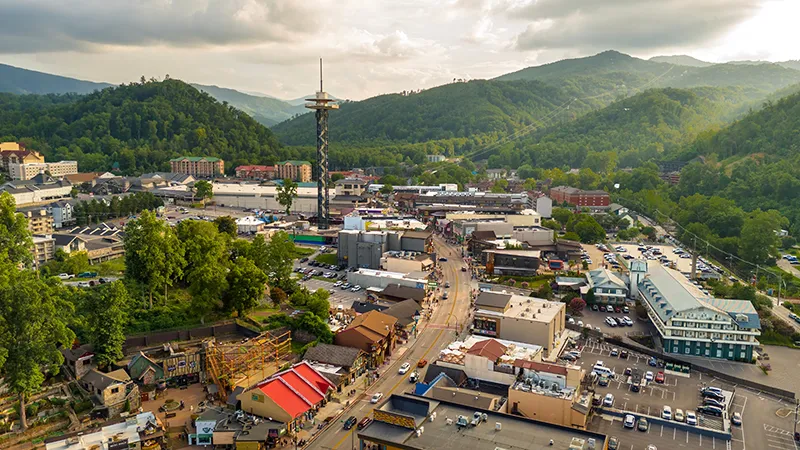
Tennessee is one of the most visited states in the country, with the Great Smoky Mountains National Park drawing over 12 million visitors per year. From hunting lodges in Middle and West Tennessee to luxury cabin resorts in Gatlinburg, Pigeon Forge, and Sevierville, the state’s hospitality industry spans a wide range of operations, each with its own insurance needs.
Tennessee requires hospitality businesses to collect state sales tax (7%) plus applicable local sales taxes on guest stays. Depending on the county or municipality, additional hotel/motel occupancy taxes may also apply. If your gross receipts exceed $10,000 in a city or county, you must register for Tennessee business tax. Local zoning, health department, and fire safety regulations vary by jurisdiction, so operators should verify compliance with their county or city requirements.
For lodges that offer hunting or shooting sports, Tennessee’s range protection laws (TN Code 39-17-316) and the Equine Activities Liability Act (Title 44, Chapter 20) may provide additional legal protections. However, these statutes do not replace the need for commercial insurance. Insurance carriers often require proof of regulatory compliance before binding coverage, so maintaining your permits, tax registrations, and safety certifications is important for both legal and coverage purposes.
Tennessee’s weather also presents property risks that lodge operators should account for. Severe storms, flooding, and wildfire (particularly in the eastern part of the state) can cause significant damage to remote properties. Business interruption coverage is especially important for seasonal operations that depend on a narrow window of peak revenue.
Frequently Asked Questions About Lodge and Resort Insurance
How much does lodge and resort insurance cost?
Premiums vary based on property value, number of guest rooms or cabins, location, activities offered, food and alcohol service, claims history, and whether the operation is seasonal or year-round. Minimum premiums for comprehensive resort programs typically start around $10,000 annually, though smaller lodge operations may find lower-cost options depending on their risk profile. The best way to get an accurate estimate is to schedule a free consultation with our team.
Can one policy cover both my home and my lodge business?
Yes. Many lodge owners live on the property and need coverage for both personal and commercial exposures. A hybrid commercial insurance policy can protect your personal residence, belongings, and vehicles alongside your lodge business under a single policy. This approach simplifies your coverage and eliminates gaps that can occur when managing two separate policies.
Do I need separate insurance for each activity I offer guests?
Not necessarily separate policies, but each activity must be specifically listed and covered on your insurance. Activities like guided fishing, hunting, boating, horseback riding, and ATV tours each carry their own risk profile. If an activity is not scheduled on your policy, a related claim could be denied. We help ensure every activity your lodge offers is properly covered.
What if my lodge or resort is in a remote location?
Remote properties present unique insurance challenges, including limited fire department access, longer emergency response times, higher rebuilding costs due to access limitations, and increased exposure to wildfire or severe weather. Specialized lodge insurance programs are designed to account for these factors and ensure your property is adequately covered even in hard-to-reach locations.
Does my cabin rental management company need insurance?
Yes. If you manage cabin rentals for property owners, you face liability exposure from guest injuries, property damage, and professional negligence claims. You need commercial general liability and professional liability at minimum, and the property owners you manage for may require you to carry coverage and list them as additional insureds.
Is my lodge covered if a guest is injured during a guided hunt or fishing trip?
Only if your policy specifically covers that activity. General liability policies may exclude firearms, watercraft, or other high-risk recreational activities unless they are explicitly listed. For hunting lodges, firearms liability coverage is essential. For fishing lodges, watercraft liability must be included. We help ensure there are no gaps in your activity coverage.